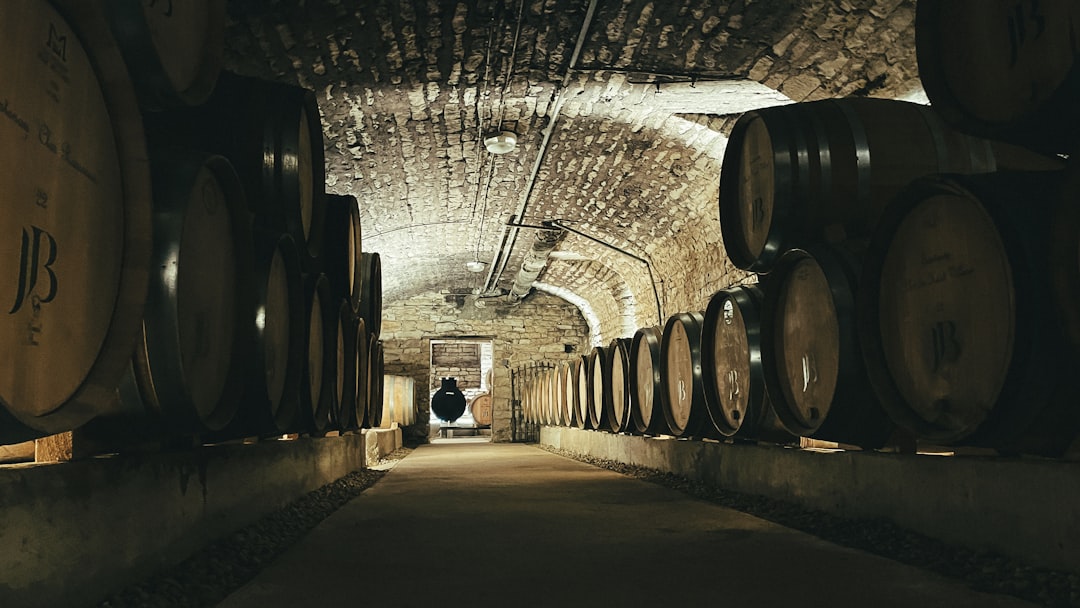
What people describe in the glass, and why it resists description
Tasting notes for these wines tend to collapse into abstraction, which is a warning sign in most writing but is genuinely part of the phenomenon here. The consistent reports are of texture rather than flavour: extreme length, a sensation of weightlessness despite obvious concentration, and aromas that keep shifting in the glass over an hour.
The grape is Pinot Noir, the same variety behind every red Burgundy and a great deal of ordinary wine elsewhere. Pinot Noir is thin-skinned, unforgiving and transmits its growing site more faithfully than almost any other variety, which is exactly why Burgundy organised itself around plots of land rather than around producers.
Whether the wine justifies its position is a question no one can answer for anyone else. What is not in dispute is that the site behaves differently from its immediate neighbours, and has done so consistently since long before the current owners.
A very small vineyard in the Côte de Nuits
The Romanée-Conti vineyard covers 1.81 hectares, a little over four acres, in the village of Vosne-Romanée. That is smaller than many city parks. It sits on the Côte de Nuits, the northern half of the narrow limestone slope that produces Burgundy's greatest reds.
Burgundy divides that slope into named plots called climats, each with its own boundaries and its own place in a legal hierarchy: regional, village, Premier Cru, Grand Cru. Romanée-Conti is a Grand Cru, and unusually it is a monopole, meaning one owner holds the entire plot. Most Burgundy Grands Crus are split among dozens of growers, so two bottles bearing the same vineyard name can come from different hands entirely.
The vines average well over 45 years, with some approaching 60. Old vines produce less fruit and root more deeply, which is the usual explanation for concentration, though it is a tendency rather than a rule.
Output is roughly 400 to 600 cases a year depending on the vintage, which is somewhere between 4,800 and 7,200 bottles for the entire world.

Who owns it and how the estate works
The domaine is held jointly by two families, the de Villaine and Leroy-Roch lines, an arrangement that has held for generations. It is not a corporate structure and has never been sold on the open market.
Farming is organic and has been biodynamic in practice for decades, with a level of hand work that would be uneconomic anywhere the wine sold for less. Harvest is manual, sorting is severe, and a substantial proportion of fruit is rejected in weaker years.
The estate also owns or farms other Grands Crus in the same commune and nearby: La Tâche, another monopole at about 6 hectares, along with parcels of Richebourg, Romanée-Saint-Vivant, Grands-Échézeaux and Échézeaux. They are made by the same team with the same methods, which is what makes them interesting rather than merely cheaper.
The prices, and where they actually come from
A bottle of Romanée-Conti itself reaches 15,000 to 30,000 euros on the secondary market, and celebrated vintages such as 1945, 1978 or 1990 have passed 50,000 euros at auction.
The arithmetic behind that is less mysterious than it looks. Four to seven thousand bottles a year, distributed globally, against demand from collectors, restaurants and investors in every major market. Scarcity of that order sets the price long before quality enters the discussion, and a significant share of bottles are bought as assets and never opened.
Worth knowing: the domaine sells its wines in mixed cases, so a merchant wanting Romanée-Conti must take the other appellations too. That practice shapes availability and pricing right down the chain, and it explains why the other wines of the estate appear on lists as often as they do.
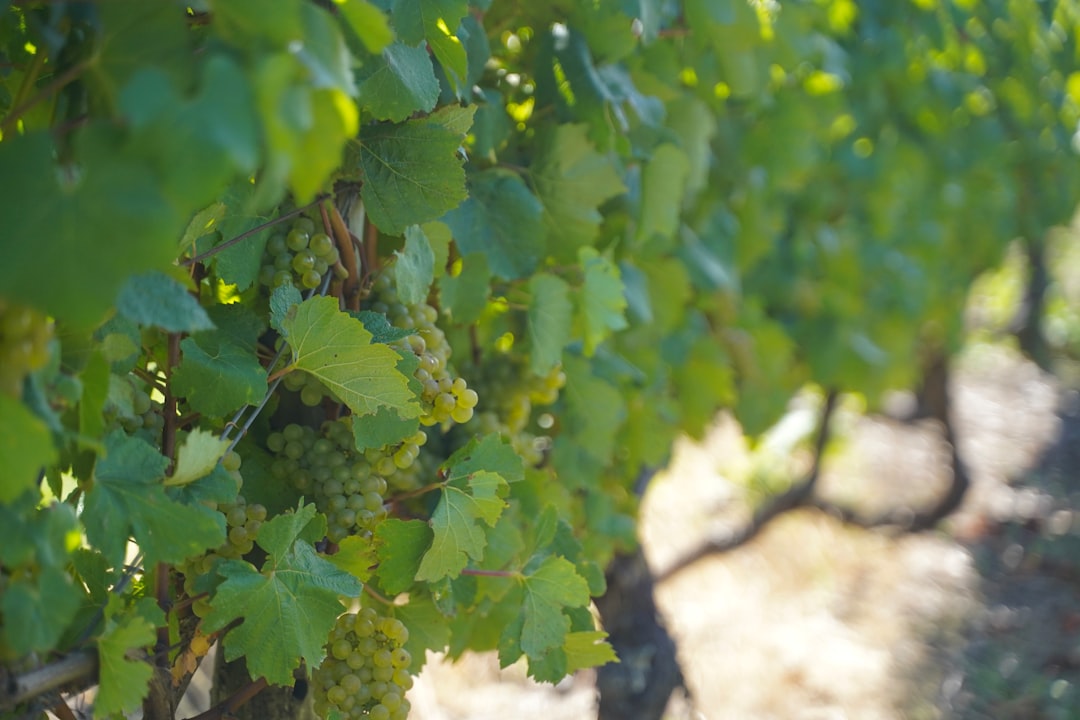
The other appellations, which is where the interest is
If the point is to understand what this estate does rather than to own the flagship, the other wines are the sensible entry. Grands-Échézeaux and Richebourg sit between roughly 700 and 3,000 euros. Échézeaux, the largest of the holdings, runs from around 400 to 1,200 euros depending on vintage and provenance.
Still serious money, and worth saying plainly: these are not value propositions. They are the same hands, the same slope and the same philosophy at a fraction of the flagship price, which is a different claim.
For anyone genuinely trying to learn what the Côte de Nuits does, the better path runs through the village and Premier Cru wines of good Vosne-Romanée growers at a small fraction of these prices. The vocabulary is the same, and the lesson transfers.
Common questions
How many bottles of Romanée-Conti are made each year?
Roughly 400 to 600 cases depending on the vintage, which works out at about 4,800 to 7,200 bottles for the entire world. In poor years the estate declassifies heavily or produces less, so the figure moves.
Can you buy a bottle directly from the estate?
No. The domaine does not sell to the public and does not run a tasting room. Everything goes through an allocation system to importers and merchants, usually in mixed cases combining several of its appellations. Buying means going through the secondary market or a specialist merchant.
Which vintage should you look for?
For drinking rather than collecting, a wine between eight and twelve years old from a solid vintage shows the style without needing further patience. Older celebrated vintages carry provenance risk: at these prices, storage history matters as much as the year on the label.
Does the estate make white wine?
Yes, in tiny quantity. It holds a small parcel of Montrachet, the most famous white Grand Cru in Burgundy, producing fewer than 400 bottles a year. It is even harder to find than the reds.
What is the difference between Romanée-Conti and La Tâche?
Two separate Grand Cru vineyards, both wholly owned by the estate. La Tâche is larger at about 6 hectares and is generally described as darker and more overtly powerful; Romanée-Conti as finer and more perfumed. They sit a few hundred metres apart on the same slope.