Médoc, Graves or Saint-Émilion: which to pick
Three areas, three quite different days. The Médoc runs north from the city along the left bank of the estuary: flat, austere, and lined with the classified estates whose names appear on wine lists everywhere. It is the most formal of the three and the most impressive architecturally.
Saint-Émilion, on the right bank, is the opposite in character. A medieval hill town surrounded by small estates, walkable, with limestone cellars cut into the rock beneath the village. If you want one day that combines wine with something to look at, this is it.
Graves and Pessac-Léognan sit closest to the city, some of them almost inside the suburbs. Less dramatic, easier logistically, and the only area where dry white wine is a serious part of the story.
For a first visit, pick one. The distances look small on a map and take longer than expected, and three estates in a day is already a full day.
How appointments actually work
This is the part that surprises people. Most Bordeaux estates are working farms with no shop and no permanent visitor staff. Turning up unannounced at a classified château will usually get you a closed gate, politely.
Book ahead, in writing, several days out and considerably more in peak season. Email works; many estates now use an online form. Say how many people, which language you would like, and roughly what you are interested in. That last detail matters more than it sounds — a request that shows some thought tends to get a better visit than a generic one.
Larger estates run scheduled tours you can book like a museum ticket. Smaller ones may offer something closer to an hour with whoever is free, which is often the more interesting version.
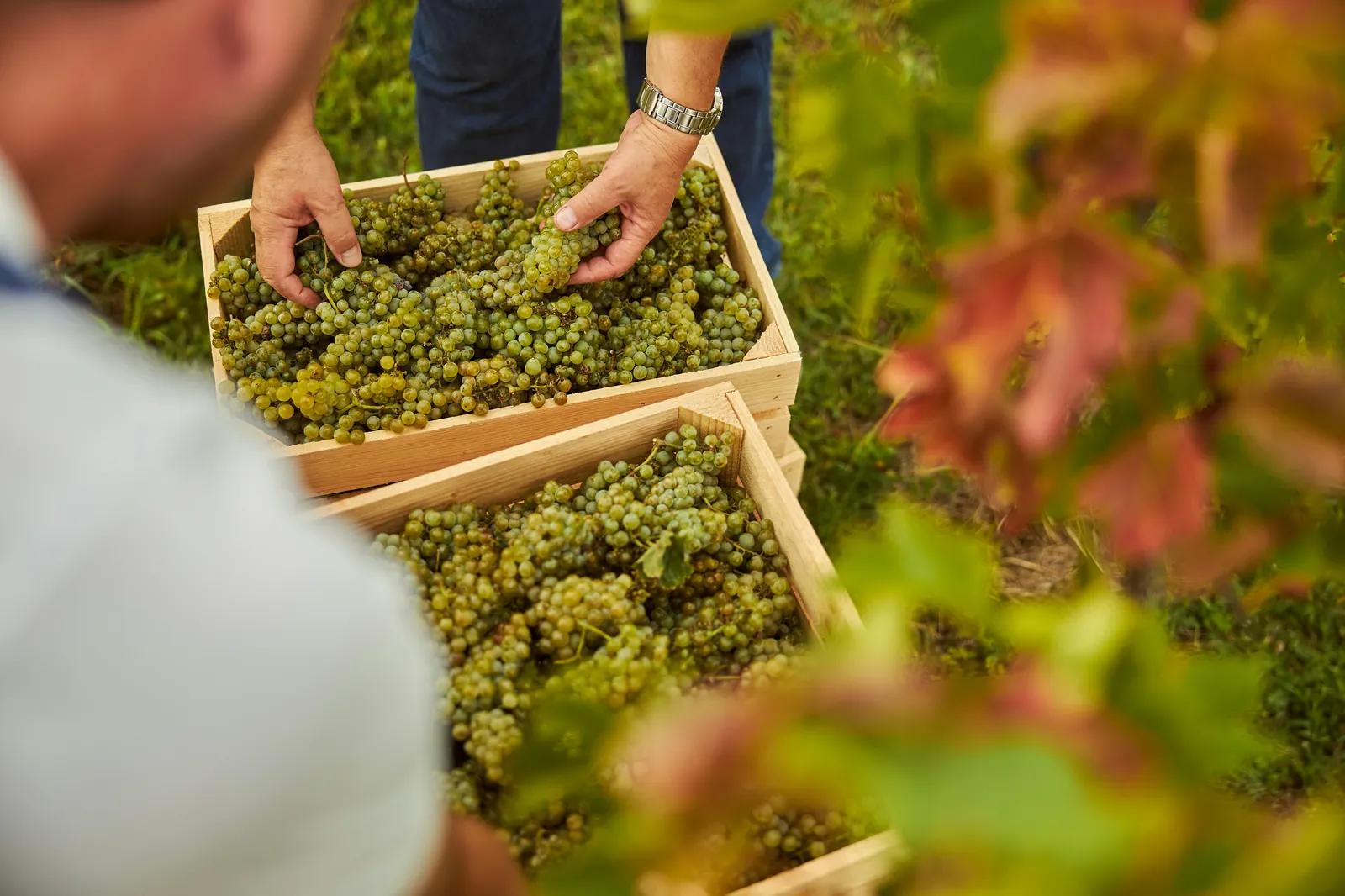
Note that many estates close to visitors during harvest, usually somewhere between late August and early October, precisely when a visit sounds most appealing. Check before planning around it.

What you actually taste in a cellar
A visit almost always ends in the chai, the barrel cellar, and what you are given there is frequently not a finished wine. Tasting from barrel means tasting something mid-ageing: harder, more tannic and less generous than the same wine will be in a few years. It is genuinely interesting, and it is not a fair guide to what you would buy.
If a finished vintage is offered as well, that is the one to pay attention to. It is reasonable to ask which vintage you are tasting and how it compares with the one before; the answer tells you a lot about the year and about the person pouring.
Spitting is normal, expected, and there will be a bucket. Nobody thinks less of you for it, and three estates in a day makes it necessary rather than optional.
Getting around, staying, eating
Bordeaux itself is compact and well served by tram, and the city is a reasonable base for Graves and Saint-Émilion. The Médoc is harder: public transport is thin and the estates are spread along a single road.
Saint-Émilion has a direct train from Bordeaux taking around forty minutes, which makes it the one area genuinely doable without a car. From the station the village is a walk uphill. Several estates sit within walking distance of the village itself.
For the Médoc, either drive or take an organised minibus tour. If you drive, plan who is not drinking before you set out rather than at the second estate. French drink-driving limits are lower than in the UK or most of the US, and enforcement in wine country is not theoretical.
Eating is straightforward in Saint-Émilion and in the city, thinner in the Médoc, where a village restaurant may be the only option for some distance and may close between services.

Buying at the estate: what to expect
A common assumption is that buying at the door is cheaper. It generally is not. Bordeaux sells most of its production through a long-established broker and merchant system, and estates that undercut their own distribution would damage it. Expect roughly the same price as a good merchant, sometimes higher.
What you can find there is different, which is the real reason to buy: older vintages held back by the estate, second wines produced in small volume, or bottles simply not exported to your market.
Two practical points. Check what you may carry home before you buy: allowances differ sharply depending on where you are going, and wine is heavy. And ask about shipping — many estates arrange it, and for anything beyond a couple of bottles it is usually cheaper and safer than luggage.
Common questions
Do you have to book to visit a Bordeaux château?
Almost always, yes. Most estates are working properties without permanent visitor staff, and arriving unannounced usually means a closed gate. Book several days ahead by email or through the estate's form, and further ahead in summer. A handful of large estates run scheduled tours you can book like a museum ticket.
When is the best time of year to visit?
Late spring and early autumn. The vineyards look their best, the weather is manageable and estates have time. Avoid the harvest window, roughly late August to early October, when many estates close to visitors entirely. Winter is quiet and some estates shut altogether.
Can you visit Bordeaux vineyards without a car?
Saint-Émilion, yes: a direct train from Bordeaux takes about forty minutes and several estates are within walking distance of the village. Graves and Pessac-Léognan are partly reachable by tram and taxi. The Médoc realistically needs a car or an organised minibus tour.
How much does a visit with tasting cost?
Between 15 and 30 euros per person for a standard visit and tasting at most estates. Prestigious names charge 50 to 80 euros for tastings of older or rarer vintages. Some smaller estates still receive visitors free, particularly if you buy something.
Is Bordeaux worth visiting if you are a beginner?
Yes, and arguably more than a region with a more complicated map. Estates are used to explaining themselves, most offer visits in English, and the left bank / right bank distinction gives you a structure you can actually taste in a single day. Say you are new when you book; it changes the visit for the better.